
Natural Allergy Relief Guide
Lifestyle Practices:
Nasal rinse (saline): Clears allergens, reduces nasal swelling
HEPA air filter: Reduces airborne triggers (pollen, dander)
Local raw honey: May provide pollen exposure (mixed evidence)
Low-histamine diet: Helps with histamine intolerance symptoms
Anti-inflammatory diet:
Supports immune balance (omega-3s, veggies). A low-histamine diet reduces the number of foods that can create those pesky allergic reactions. Give it about 30 days to see the best results. Here are some general principles to follow in pursuing a low-histamine diet.
Fresh is best:
Histamine content increases as food ages or spoils. Therefore, make sure your food – especially meat and fish – is very fresh or was frozen while fresh. Avoid eating leftovers.
Avoid fermented foods:
While fermented foods are good for gut health, they also have high levels of histamines.
Avoid artificial coloring and preservatives:
This is good dietary advice at the best of times, but if you’re having allergies, stay away from additives, dyes, and preservatives such as benzoates and sulfites, which can trigger the release of histamines.
Stay away from the slow cooker and the barbecue:
Boiling or pressure cooking (Instapot) is good, while slow cooking, frying, or grilling can increase histamine levels.
Eat your quercetin:
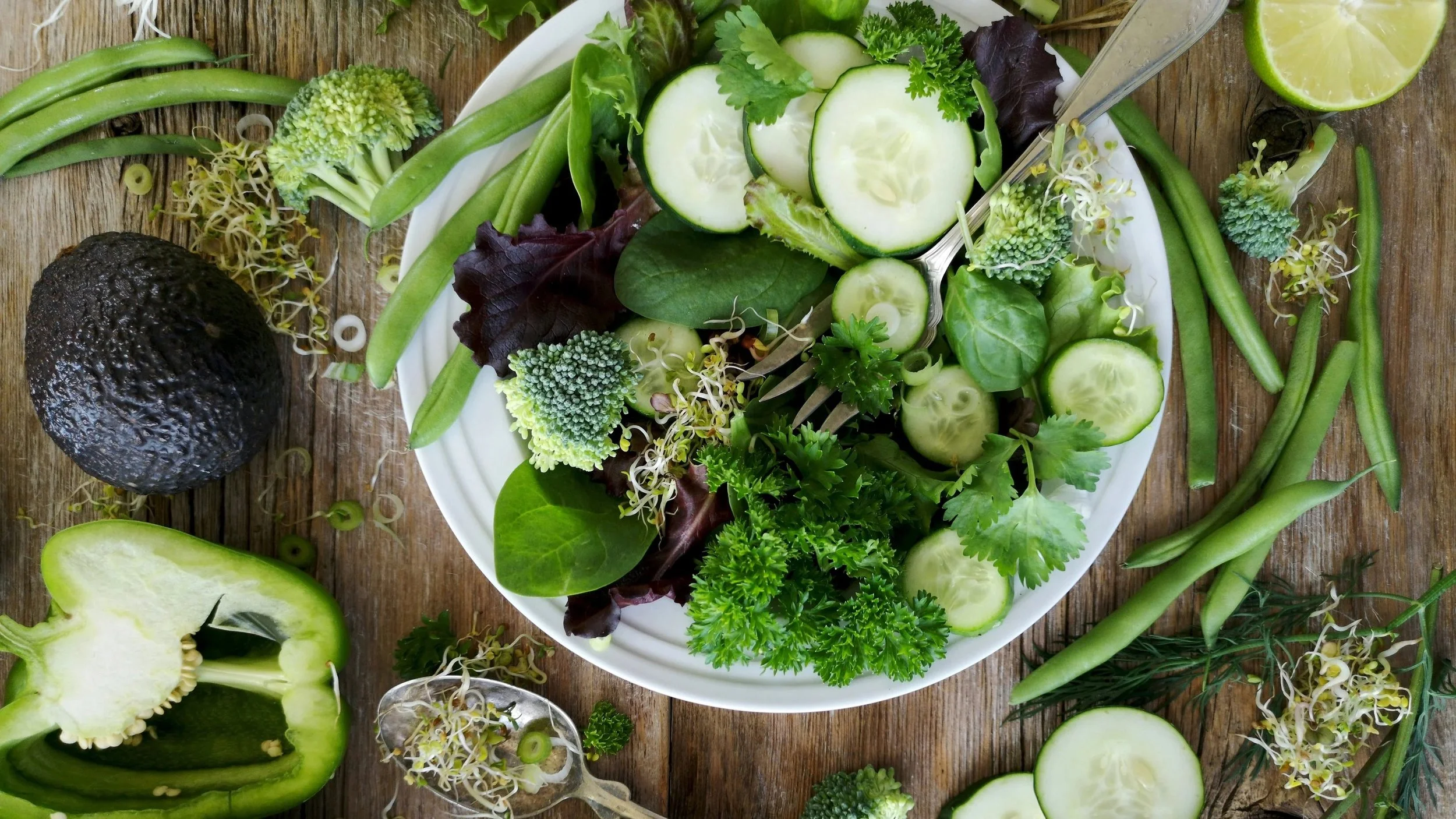
Quercetin is a natural flavonoid found in many foods and is thought to help reduce the release ofhistamines. Foods containing quercetin include leafy vegetables, broccoli, red onions, peppers, apples, grapes, black tea, green tea, and red wine.
Science-Backed Supplements & Lifestyle Tips (Non-Medication)
Key Supplements:
Quercetin
Stabilizes mast cells, reduces histamine 500–1,000 mg/day (divided)
Vitamin C
Natural antihistamine, antioxidant 1,000–2,000 mg/day
Butterbur (PA-free)
Blocks leukotrienes (inflammatory molecules) 50–75 mg twice daily
Stinging Nettle
Reduces inflammatory mediators 300–600 mg/day
Probiotics
Modulates immune response (gut-immune link) 10–20 billion CFU/day
N-Acetylcysteine (NAC)
Loosens mucus, antioxidant support 600–1,200 mg/day
Tip: Quercetin absorbs better when taken with bromelain.

Which part of your health is holding everything else back?
Assess your physical health, mental & emotional wellbeing, social support, and purpose & identity foundation, and get clear on what to focus on first.
