
Science-Backed Habits that Get Results
Science-Backed Habits that Get Results
The Molecule Your Body Already Trusts
Your body already knows how to fight infection — and it’s been doing it for millions of years.
Hypochlorous acid (HOCl) is a powerful antimicrobial your immune system produces naturally to eliminate bacteria, viruses, and fungi in seconds. Now, science has found a way to stabilize and bottle it — creating a solution that doesn’t just disinfect, but actually supports healing.
In this guide, we break down what HOCl is, why nothing has ever developed resistance to it, and how it can replace multiple products in your medicine cabinet — safely and effectively.

The 5 Foundations of Real Health
Many people optimize hormones, supplements, and workouts yet still feel exhausted, depleted, and disconnected. The reason is simple: optimization cannot work without foundations. Before peptides, protocols, or biohacking strategies, real health depends on five essential pillars that support your nervous system, circadian rhythm, emotional well-being, and connection to life itself.

8 Benefits of Staying Hydrated (by Rob Wolff)
Hydration is more than simply drinking water. True hydration depends on maintaining a healthy balance of fluids and electrolytes, particularly sodium and potassium. Both dehydration and overhydration can lead to fatigue, brain fog, headaches, and muscle cramps, making balance essential.
Proper hydration supports cellular energy production, athletic performance, cognitive clarity, mood stability, muscle function, blood pressure regulation, skin health, and digestive regularity. Sodium plays a critical role in nerve signaling, muscle contraction, and maintaining blood volume, while potassium helps regulate fluid balance and cardiovascular health. Contrary to common belief, extremely low sodium intake is not always optimal, especially for active individuals.
Rather than forcing excess plain water, a more effective approach is drinking to thirst and incorporating electrolytes when needed. Adding a modest amount of sodium to water and adjusting intake based on activity level, diet, and climate can help support sustained energy, performance, and overall physiological balance.

The Health Benefits of Sun Exposure
Modern life has distanced us from one of the most foundational inputs for human health: sunlight. Emerging research suggests that consistent, moderate sun exposure is associated with increased longevity, improved cardiovascular health, stronger immune resilience, enhanced mood, and reduced risk of chronic disease. Large population studies have even shown significantly lower mortality rates among individuals with higher sun exposure compared to those who avoid it.
Beyond vitamin D production, sunlight influences the body at a deeper biological level. Infrared light appears to support circulation by interacting with the water within our cells, helping create an electrical energy gradient that facilitates fluid movement throughout the body. This mechanism may explain why sunlight supports blood flow, tissue vitality, and overall systemic function in ways that extend beyond what the heart alone can accomplish.
At HEXADYN, we view sun exposure not as something to fear, but as a powerful, natural signal that supports longevity, circulation, mood regulation, and metabolic health when approached mindfully and in balance.
Natural Allergy Relief Guide
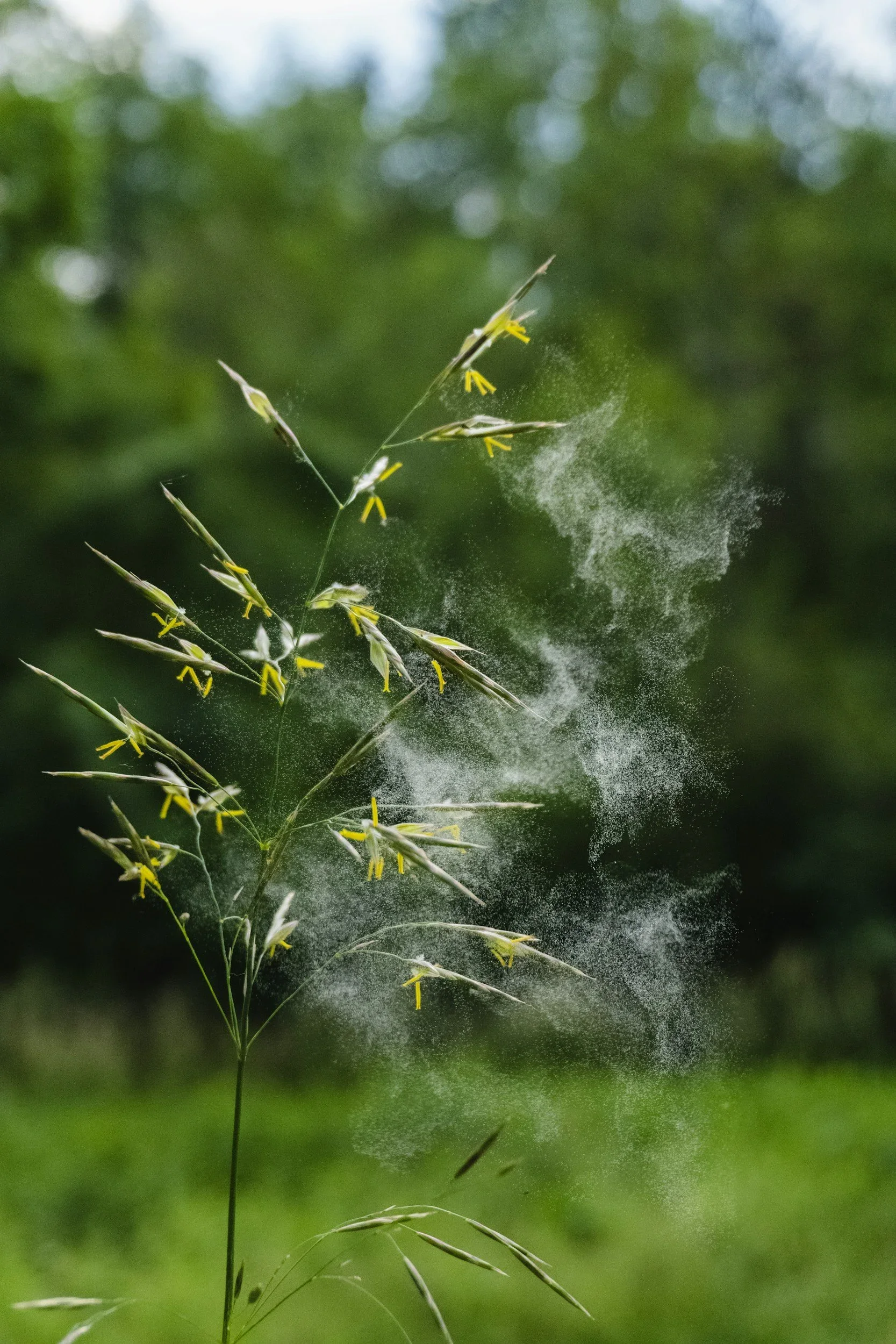
Seasonal allergies don’t have to mean relying solely on medication. Strategic lifestyle shifts and targeted, science-backed nutrients can significantly reduce histamine load and calm the immune response.
Simple practices such as daily saline nasal rinses and using a HEPA air filter help minimize environmental triggers. Nutrition also plays a powerful role. A low-histamine and anti-inflammatory diet can reduce symptom intensity by limiting foods that provoke histamine release while supporting immune balance through omega-3s and plant-rich meals. Fresh foods, avoiding fermented products and additives, and choosing cooking methods like boiling or pressure cooking over grilling or slow cooking can further decrease histamine burden.
Key supplements including quercetin, vitamin C, butterbur, stinging nettle, probiotics, and N-acetylcysteine provide additional support by stabilizing mast cells, reducing inflammatory mediators, and promoting healthy immune modulation. Together, these approaches create a comprehensive, natural framework for long-term allergy relief.

Testosterone Therapy in Women: Revisiting the Evidence
For more than two decades, hormone therapy has been clouded by fear following the 2002 Women’s Health Initiative study. Yet later analyses clarified that the study evaluated synthetic progestins, not bioidentical progesterone or testosterone, and its findings were widely misinterpreted. In the aftermath, millions of women were discouraged from therapies that support vitality, cognitive clarity, sexual health, and overall wellbeing.
Testosterone, often overlooked in women’s health, is a foundational female hormone. Women naturally produce more testosterone than estrogen throughout their lifespan, and it plays a critical role in energy, mood, cognition, muscle and bone health, body composition, sleep, and libido. By the late 30s and 40s, declining levels can contribute to fatigue, weight gain, irritability, insomnia, and loss of sexual desire, yet few women are evaluated for deficiency.
Emerging clinical evidence suggests that physiologic testosterone therapy may not only restore quality of life but could also reduce breast cancer risk. Long-term studies have demonstrated lower breast cancer incidence among women receiving testosterone therapy, challenging outdated assumptions and opening the door to a more nuanced, evidence-based conversation about hormone restoration.